




Marketing Automation Tools for Smarter Campaigns
Marketing teams today are overwhelmed. Campaigns are spread across email, ads, social media, landing pages, and CRM systems, and most of it is still managed manually. Leads slip through the cracks. Follow-ups get delayed. Data sits in silos. And despite spending more on ads, conversion rates remain inconsistent.
I’ve seen businesses struggle with this daily, especially agencies and professional service firms juggling multiple clients. The real problem isn’t effort. It’s a lack of systems. That’s where marketing automation tools completely change the game. When implemented correctly, they eliminate repetitive work, streamline campaigns, and create smarter, data-driven engagement across the entire funnel.
What Are Marketing Automation Tools?
At their core, marketing automation tools are software platforms that automate repetitive marketing tasks like email sequences, lead nurturing, ad retargeting, CRM updates, and reporting.
But modern tools go far beyond scheduling emails. Today’s platforms include advanced marketing automation features like behavioral tracking, AI-driven personalization, predictive analytics, and dynamic segmentation.
The right system doesn’t just automate, it optimizes. If you’ve ever thought,
“We really need help with marketing automation.”
you’re not alone. Most companies reach that point when growth starts exposing operational gaps.
Why Marketing Automation Is No Longer Optional
From my experience working with scaling businesses, the turning point always comes when teams realize manual execution can’t support growth.
Here’s what happens without automation:
Campaigns are inconsistent
Lead nurturing is reactive
Reporting takes hours
Teams operate in silos
Conversion rates plateau
When you introduce automation tools that improve conversion rates, you start to see measurable improvements in:
Lead response time
Campaign consistency
Funnel visibility
Revenue predictability
That’s why building a proper marketing automation project plan is critical before implementing any platform.
Core Marketing Automation Features That Drive Results
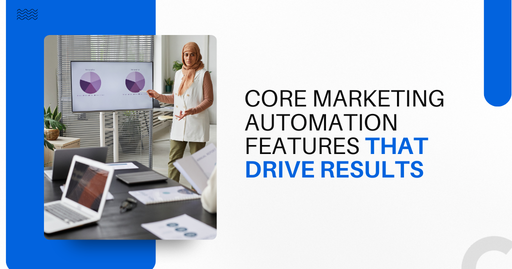
Not all marketing automation tools are built the same. The real impact comes from understanding which marketing automation features directly influence campaign performance, operational efficiency, and revenue growth.
Here are the features I consistently recommend focusing on:
1. Behavioral Triggering and Event-Based Automation
Implementing marketing automation tools without a strategy often leads to cluttered workflows and underperforming campaigns. I’ve seen companies invest heavily in platforms but skip the planning stage, and that’s where mistakes happen.
2. Smart Segmentation and Dynamic Audience Building
Modern marketing automation tools segment audiences dynamically, leveraging engagement patterns and CRM data to deliver relevant messaging, enabling best practices for campaign automation, and improving conversion rates across campaigns.
3. Multi-Channel Orchestration
Using automated advertising platforms, campaigns coordinate email, SMS, social, and ads efficiently. These marketing automation features ensure consistent messaging and cohesive experiences across all customer touchpoints.
4. AI Personalization
A Workflow AI Assistant analyzes campaign performance, predicts user behavior, and recommends optimizations, helping teams implement best practices for campaign automation and boost ROI without manual guesswork.
5. Lead Scoring and Predictive Insights
Predictive lead scoring within marketing automation tools ranks prospects based on likelihood to convert, helping sales focus on high-value leads and achieve measurable results using marketing automation features.
6. Reporting, Attribution, and Revenue Tracking
The marketing automation tools list often includes robust reporting to measure campaign performance. Tracking KPIs and attribution enables continuous improvement, supporting best practices for campaign automation and revenue growth.
When these features work together, campaigns stop being random blasts and become intelligent systems.
Marketing Automation Tools List: What Businesses Should Consider
If you’re evaluating platforms, here’s a strategic marketing automation tools list framework rather than just brand names:
Email & nurturing platforms
CRM-integrated automation systems
Automated advertising platforms for paid media
Landing page & funnel builders
AI-based personalization engines
Analytics and attribution tools
Conversational AI systems including Voice AI
The key isn’t choosing the most popular tool; it’s choosing the one that fits your business model and growth stage.
Real-World Examples of Smarter Campaign Automation
Let me share a few real-life scenarios I’ve seen work exceptionally well.
Example 1: Marketing Automation for Agencies
With marketing automation for agencies, client campaigns can be templatized and automated at scale. Instead of manually launching every campaign, agencies create repeatable workflows that:
Trigger onboarding sequences
Automate lead nurturing
Run retargeting ads
Generate performance reports
This reduces operational workload while increasing client retention.
Example 2: Marketing Automation for Professional Services
For law firms, consultants, and financial advisors, marketing automation for professional services is transformational. Lead magnets trigger automated email education sequences. Appointment reminders reduce no-shows. Follow-up emails nurture prospects for weeks without manual effort.
The result? Higher trust and stronger conversion rates.
Example 3: AI-Powered Campaign Optimization
Using a Workflow AI Assistant, teams can monitor campaign performance and receive recommendations automatically, whether to adjust budgets, tweak messaging, or reallocate ad spend across automated advertising platforms. This turns reactive marketing into proactive optimization.
Best Practices for Campaign Automation
Implementing marketing automation tools without a strategy often leads to cluttered workflows and underperforming campaigns. I’ve seen companies invest heavily in platforms but skip the planning stage, and that’s where mistakes happen. If you want real results, follow these best practices for campaign automation:
Start With Funnel Mapping, Not Software
Before implementing marketing automation tools, map the customer journey to align triggers and messaging. Following best practices for campaign automation ensures automated workflows target the right prospects at the right stage.
Build a Structured Marketing Automation Project Plan
A detailed marketing automation project plan guides campaign setup, sequencing, and measurement. Using marketing automation features strategically ensures each workflow is purposeful and drives measurable conversion results.
Prioritize Personalization Over Volume
Personalization through marketing automation tools creates relevant messaging for prospects. Implementing best practices for campaign automation increases engagement and strengthens lead nurturing across email, social, and ad channels.
Align Sales and Marketing Systems
Integrating marketing automation for agencies with CRM and sales ai processes ensures leads are tracked and nurtured efficiently. Using marketing automation features boosts visibility and improves overall conversion rates.
Test Continuously and Optimize in Cycles
Regular testing with marketing automation tools identifies underperforming campaigns. Leveraging best practices for campaign automation helps refine triggers, segments, and messaging to consistently improve campaign performance.
Avoid Over-Automation
Focusing automation on high-impact touchpoints with marketing automation tools prevents overwhelming leads. Applying marketing automation features thoughtfully supports meaningful engagement and higher conversion across campaigns.
Scale Gradually
Gradual implementation of marketing automation for professional services allows teams to adopt tools effectively. Using marketing automation tools list methodically stablized the growth and efficient campaign scaling.
How Automation Tools Improve Conversion Rates
One of the biggest misconceptions is that automation is just about saving time. It’s not. The real power of automation tools that improve conversion rates lies in:
Faster lead follow-up
Personalized messaging
Consistent nurturing
Behavioral retargeting
Reduced human error
When leads receive timely, relevant communication, they convert at higher rates. It’s that simple.
Do You Need Help With Marketing Automation?
If your campaigns feel scattered, reporting feels manual, or your team is constantly “catching up,” you probably need help with marketing automation.
The signs are clear:
Growth without systems
Inconsistent campaign performance
Manual lead management
Poor attribution tracking
The solution isn’t just software. It’s building an intelligent, AI-supported marketing infrastructure.
The Future: AI + Automation Working Together
Marketing is moving toward deeper AI integration.
Imagine:
Voice AI qualifying inbound leads automatically
A Workflow AI Assistant optimizing campaigns in real time
Predictive systems adjusting ad budgets across automated advertising platforms
Fully automated onboarding sequences for marketing automation for agencies
This isn’t theoretical. It’s happening now. And the businesses that adopt early will scale faster and smarter here with ScaleOS.
Conclusion
Modern campaigns require more than creativity; they require systems. The right marketing automation tools, paired with a strong strategy and the right marketing automation features, create predictable growth engines.
If you’re building a detailed marketing automation project plan, evaluating your marketing automation tools list, or exploring marketing automation for professional services, the goal remains the same: Smarter campaigns. Better conversions. Sustainable growth. If implemented strategically, automation doesn’t remove the human element; it enhances it.
Want to simplify your campaigns and boost conversions? Connect with Scale OS to implement the best marketing automation tools and strategies for smarter, results-driven marketing.
FAQS
1. How to choose the right marketing automation platform?
Evaluate platforms based on marketing automation features, ease of integration, scalability, and analytics. Prioritize tools that support best practices for campaign automation and align with your workflows, even if you manage marketing automation for agencies or marketing automation for professional services.
2. What are marketing automation tools?
Marketing automation tools are software platforms that automate repetitive marketing tasks like email campaigns, lead nurturing, ad targeting, and reporting. These tools include advanced marketing automation features, AI-powered recommendations, and integrations with CRM systems to streamline campaigns and improve conversion rates using automation tools that improve conversion rates.
3. Why is marketing automation a must with ScaleOS?
According to Scale OS, marketing automation tools are essential to reduce repetitive tasks, improve campaign consistency, and increase lead engagement. Using automation ensures smarter campaigns, faster follow-ups, and higher conversion rates, helping businesses scale efficiently.
4. What is marketing automation by ScaleOS, and why should I use it
Marketing automation by Scale OS uses advanced marketing automation features and AI-powered workflows to automate email campaigns, lead nurturing, and automated advertising platforms. It streamlines marketing operations, saves time, and improves results, making it ideal for agencies, professional services, and growth-focused businesses.